Vertigo Vertigo
Adam Cole
Video with sound
2:07:47
2026
Presentations
Ars Electronica, Expanded Animation Conference, Linz, Austria, 2026
Publications
Paper release coming soon
An Artificial Recreation of an Obsessive Cinematic Fantasy
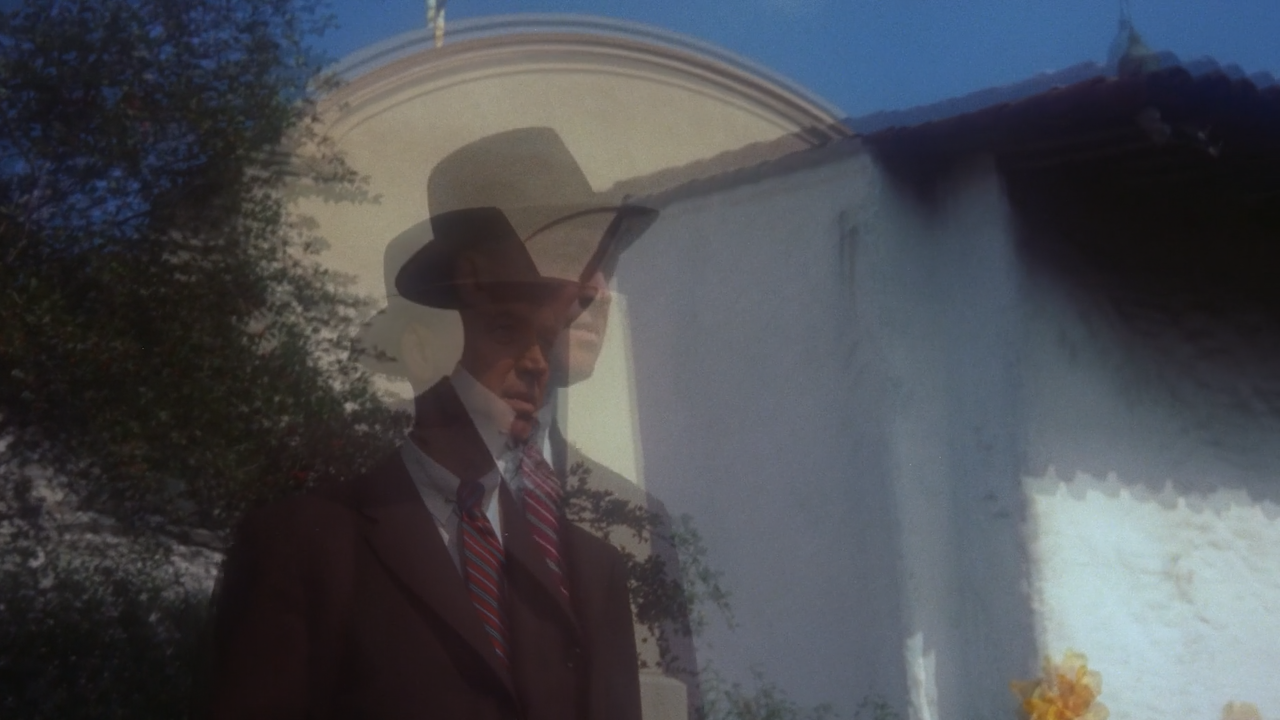
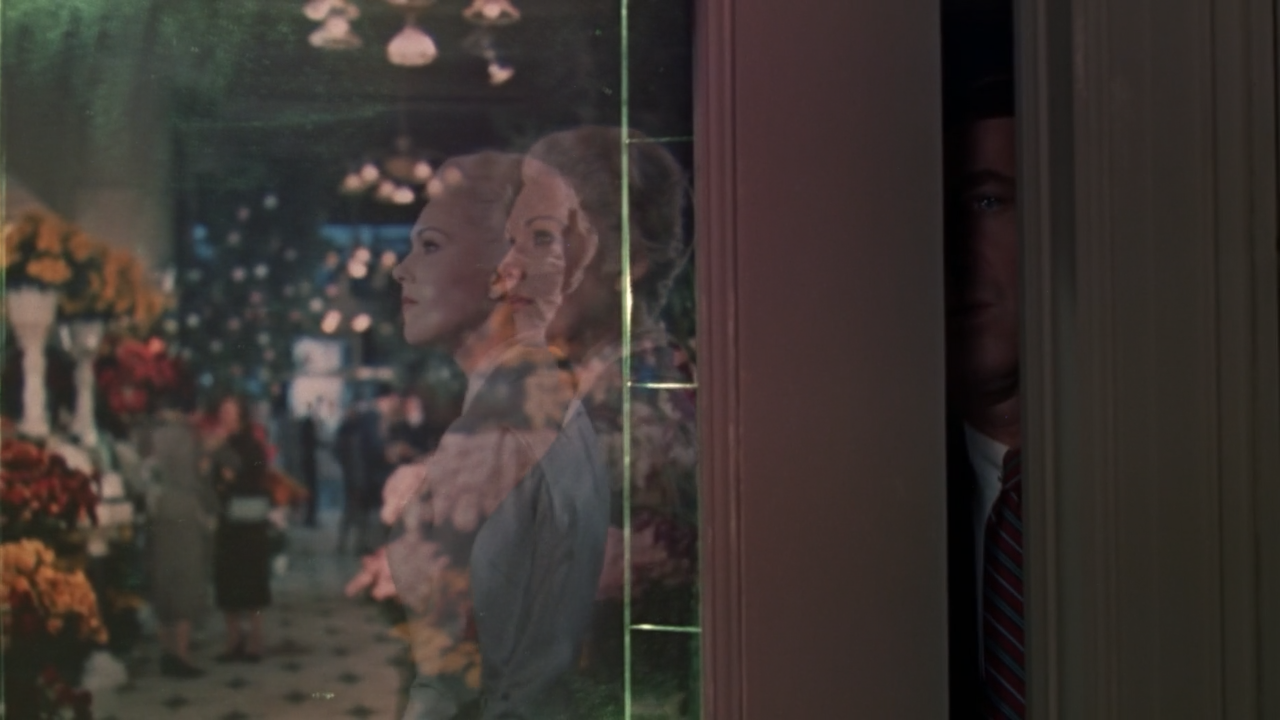
Vertigo Vertigo is an experimental video work that uses an AI model to construct a scene-for-scene recreation of Alfred Hitchcock's Vertigo using only 2.78% of the film's original frames. The project algorithmically extracts these keyframes and runs first-last frame interpolation, "filling in the blanks" of the spaces between. The resulting film overlaps with the original at its anchor points but constantly diverges, hallucinates, and re-merges in between. This oscillation creates an unstable overlay between the original and its predictive shadow, fueling a persistent doubt in the viewer's perception of what is "real" — a 21st-century vertigo.
Hitchcock's Vertigo is fundamentally a film about the obsessive attempt to control and reconstruct an artificial ideal. Vertigo Vertigo applies this same logic of obsession and reconstruction to the material of the film itself. In the process, it asks what cinematic language is embedded in the latent space of contemporary generative systems. The result is a constant visual friction, an oscillation between eerie mimicry and unsettling failure that exposes the predictable logic underpinning both our historical cinematic myths and the generative networks poised to inherit them.
Video Demonstrations
Below are brief excerpts from the full film demonstrating the current results of the project. Each visualization uses a different method to render the divergence between the original film and the AI reconstruction. As the project is an ongoing work in progress with a final installation planned for later this year, these clips are intended to offer a preliminary sense of the work's aesthetic and conceptual framework.
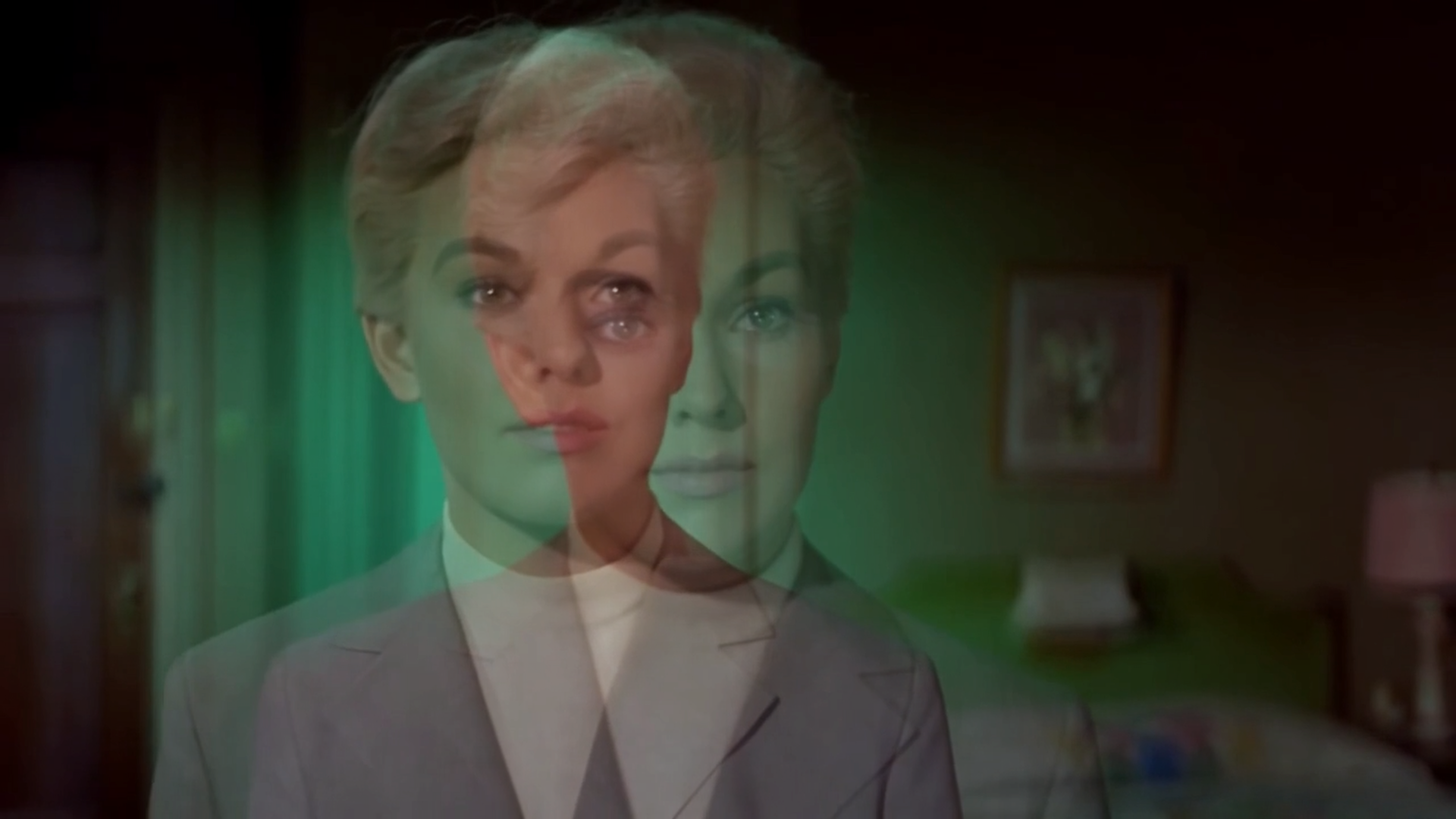
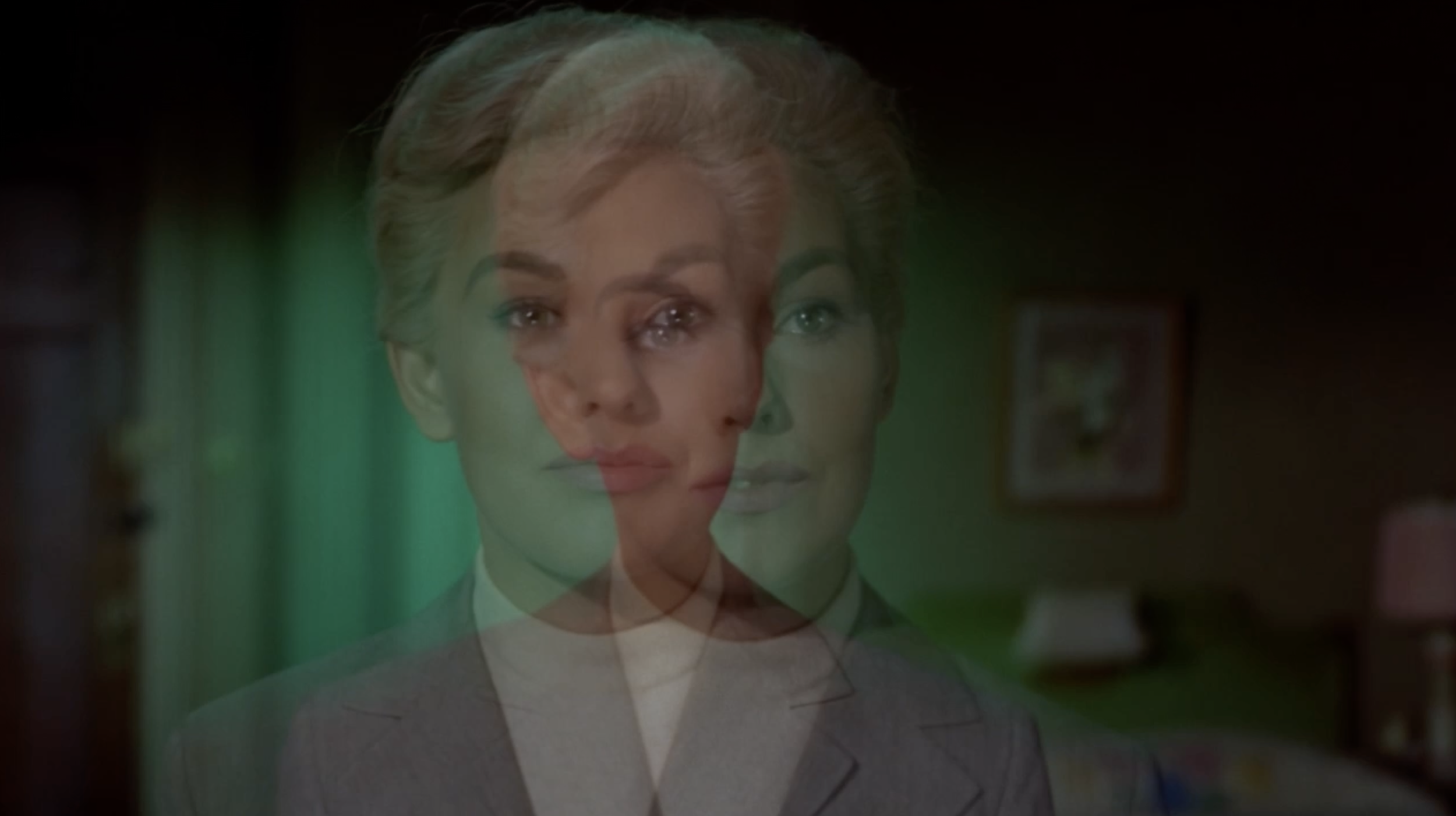
The Green Room [ Overlay ]— The AI-generated frames are overlaid on the original with half-opacity. This creates a disorienting, double-exposure effect where the boundaries between the original and the AI's interpretation become blurred.
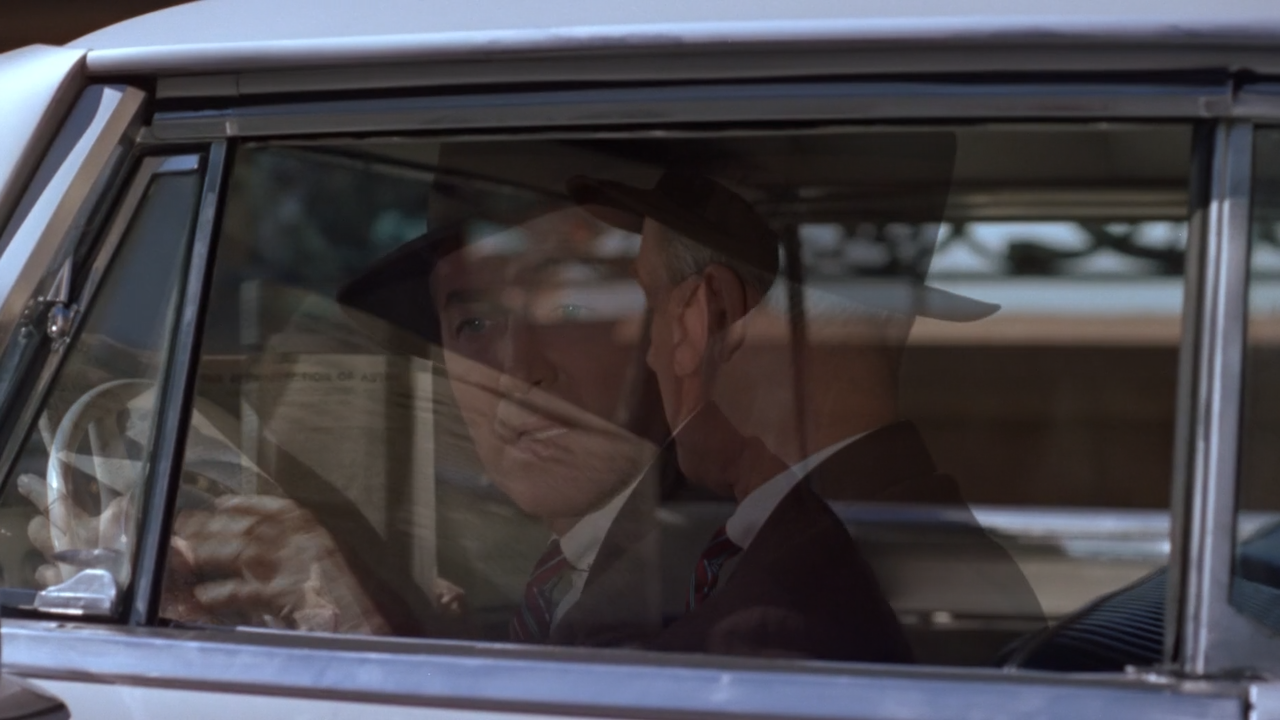
The Stalker Sequence [ Side-by-Side ] - A direct, unmediated side-by-side comparison (original on the left, reconstruction on the right). This analytical layout highlights the mechanical divergences of the AI, exposing how effectively the "machine gaze" mimics the spatial continuity and physical movement of Hitchcock’s camera.
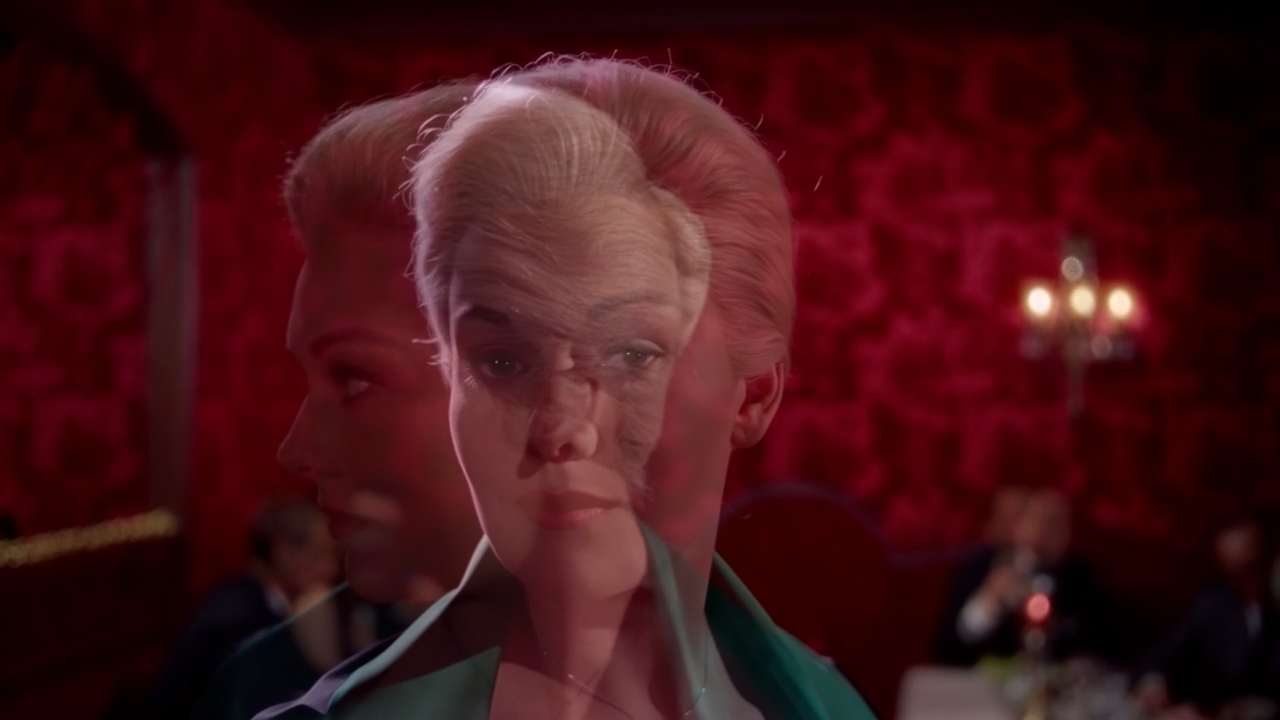
The Red Room [ Difference ] — A mathematical subtraction between the original and reconstruction where the pixels that differ between the two videos are highlighted. This method emphasizes the AI's divergences, resulting in a stark, abstract aesthetic that is distinct from both the source material and the standard AI output.
Reference: Full Work-in-Progress — The complete film for broader context and deeper exploration and research.
Computational Analysis
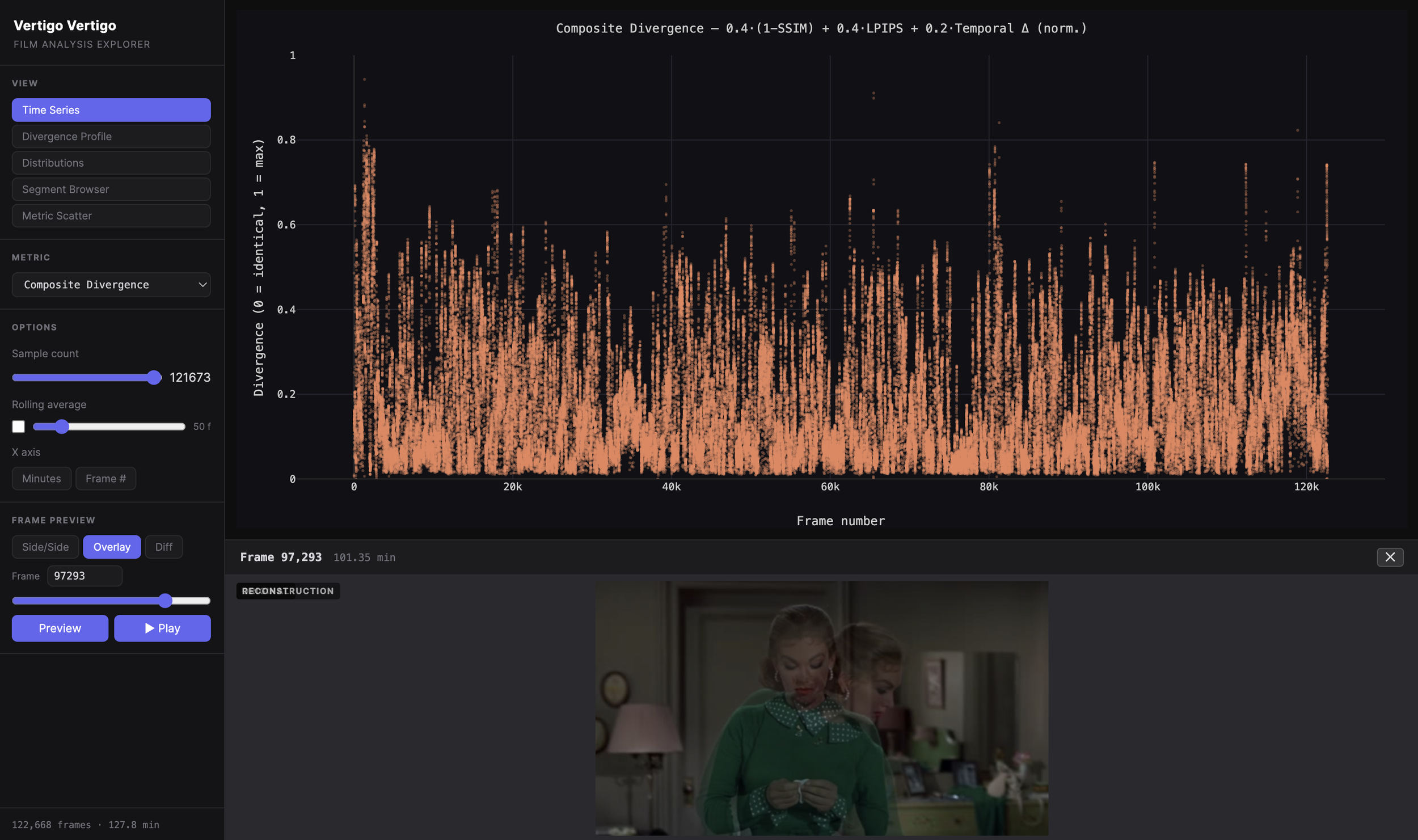
To better understand the nature of the reconstructed film in relation to the original, we developed a suite of computational metrics measuring structural, perceptual, colour, and temporal differences between the two. Below are representative overviews from the interactive analysis explorer.
Web Interface and Divergence Plot. This view plots every frame in the film by its composite divergence score: values closer to 0 indicate greater similarity, while values closer to 1 indicate greater divergence. Clicking any point opens a side-by-side or overlay comparison of the two frames. The quantitative analysis confirms that the reconstruction is a faithful reproduction but not an exact copy: 40.7% of frames are a strong match to the original, and 16.8% are near-identical.
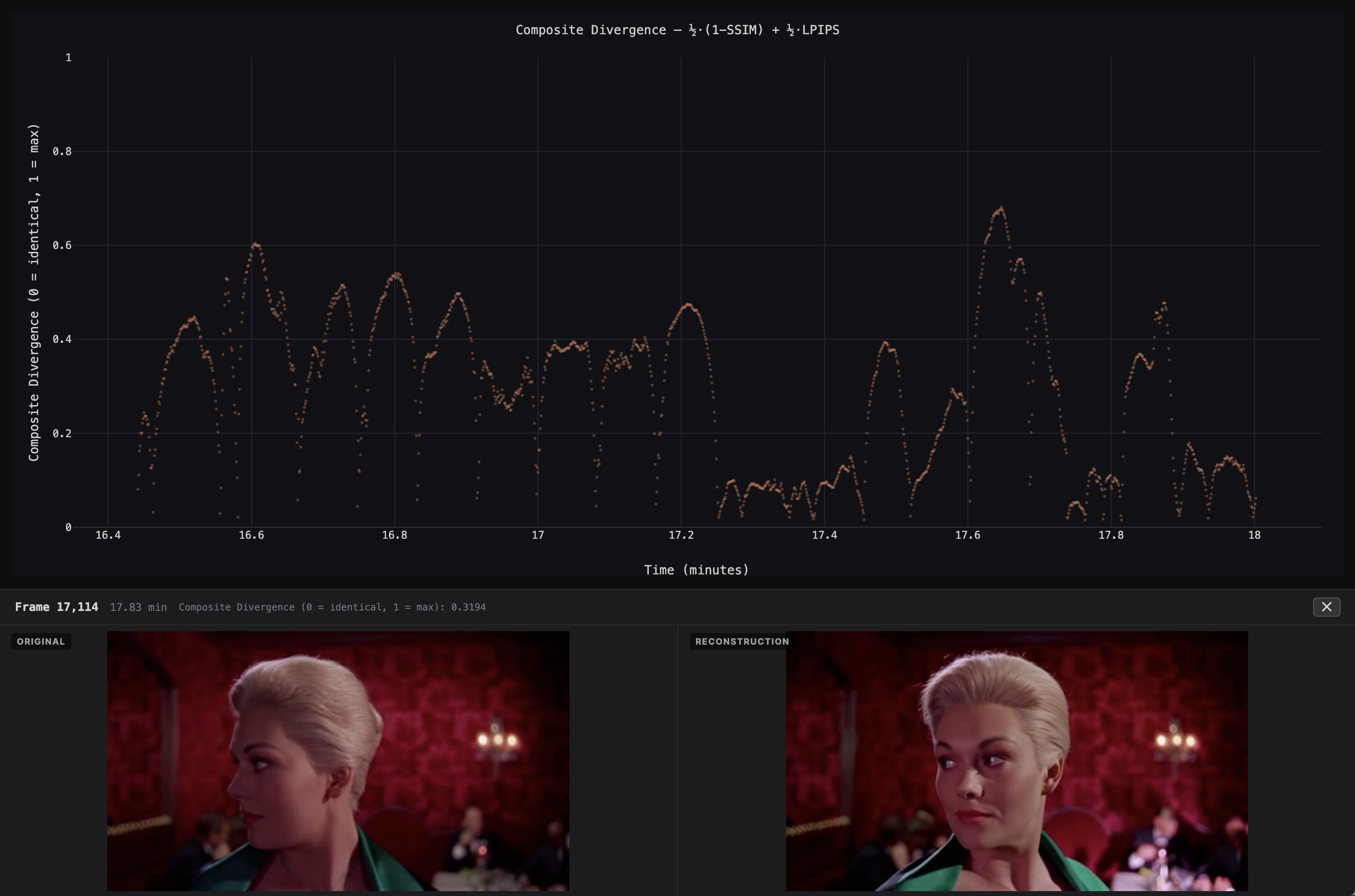
Divergence Plot Detail. Zooming in on the initial Red Room scene (where Scottie first spies on Madeleine) reveals the rhythm of the reconstruction in relation to the original: converging at segment endpoints and diverging between them.
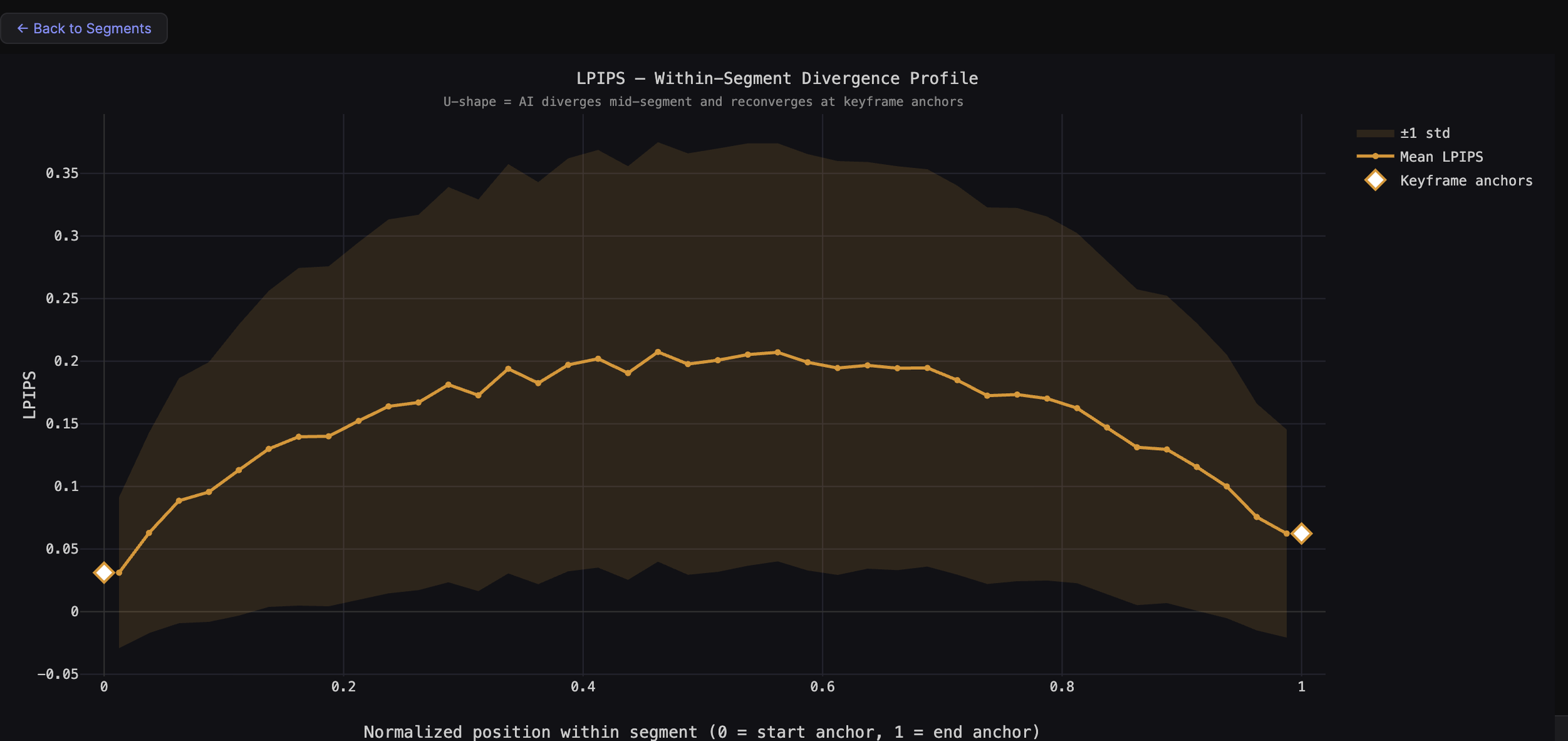
Intra-Segment Divergence. This measures average perceptual divergence across the timeline of individual segments, revealing a consistent U-shape: greatest similarity at the keyframe anchors, greatest divergence at the midpoint — exactly what we’d expect for first-last-frame interpolation.